Total votes
5-11 votes
11-16+ votes
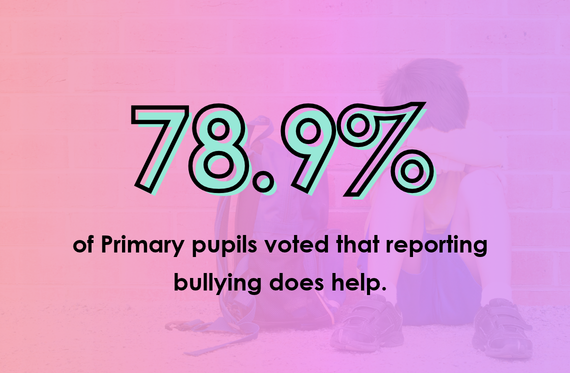
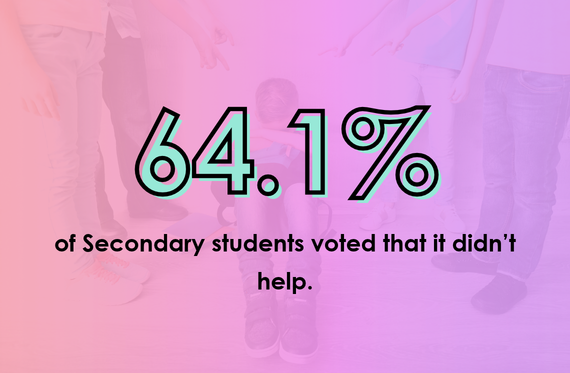
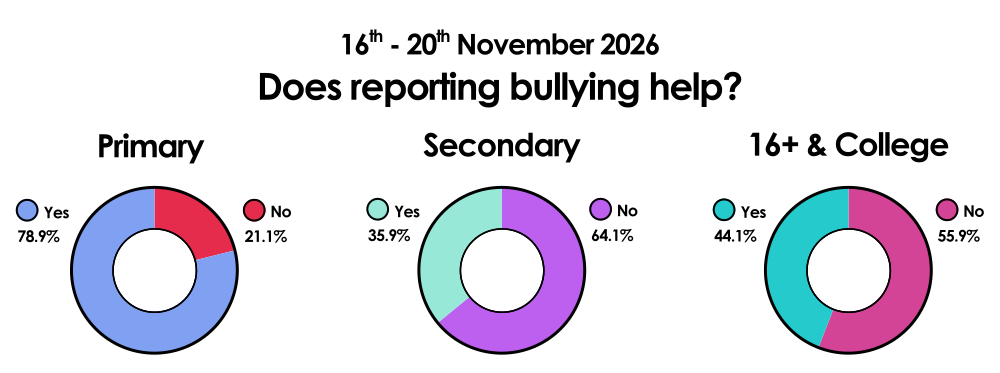
Break the Silence was the theme for this year’s Anti-Bullying Week. Taking place between 16 -20 November, the campaign encouraged young people to speak up about bullying and take action together. The organisers of the event, the Anti-Bullying Alliance, recently released findings that showed 1 in 4 teachers feel poorly equipped to deal with bullying. Polling published by the Department for Education also found that students often believe staff are unaware of peer-to-peer bullying. Bullying is clearly a pressing problem to be solved, but how? Is it simply a question of getting more victims or witnesses to report it? Devised in partnership with the Anti-Bullying Alliance, we asked our young voters if they thought reporting bullying helped. th th Almost 400 young people also joined us to discuss bullying in our live Student Webinars.
Voters debated, "Does reporting bullying help?"
59,082 young people in the UK took part in this vote with more joining discussions in their classrooms.
394 Primary and Secondary pupils participated in our Anti-Bullying Week webinars, having their views heard by representatives from the Anti-Bullying Alliance, Parentkind, and The Diana Award. We also welcomed the Department for Education’s Anti-Bullying Policy Lead to our Secondary session.

Yes because if don't report it the bullying will carry on and you could get really hurt.

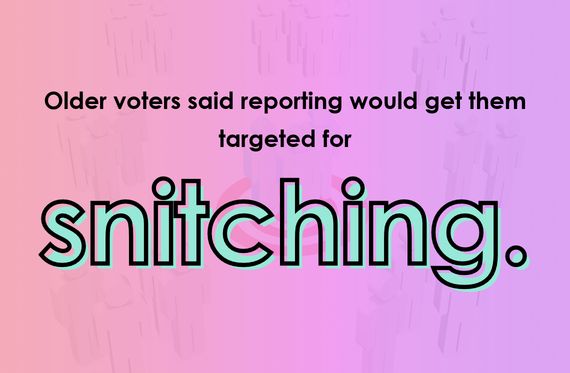
What's the point of reporting if you will just get targeted for snitching? If you talk about it and the bullies discover they might do something bad.

Students think that the school doesn't do anything/enough when bullying is reported, so they don't bother reporting it.