Want to try our resources? Sign up for our 14-Day Free Trial

Should we talk about Brexit?

19th - 30th October 2026

Back to results

43343

Total votes

8925

5-11 votes

34418

11-16+ votes

2026 marks 10 years since the UK went to the ballot box to decide whether or not to remain in the EU. Prime Minister Andy Burnham has recently revived the Brexit conversation, claiming that not pursuing a better EU trade deal would be a “dereliction of duty”. He has also said he would welcome an “honest conversation” about returning to free movement between the UK and EU, though he has said any changes would require a mandate from the 2029 general election.Too young to vote in the 2016 referendum and growing up in a world shaped by its outcome, we wanted to find out what our voters thought about Brexit’s return to the headlines. Is this a vital opportunity to make change or should we let sleeping dogs lie?

This week's discussion questions were:

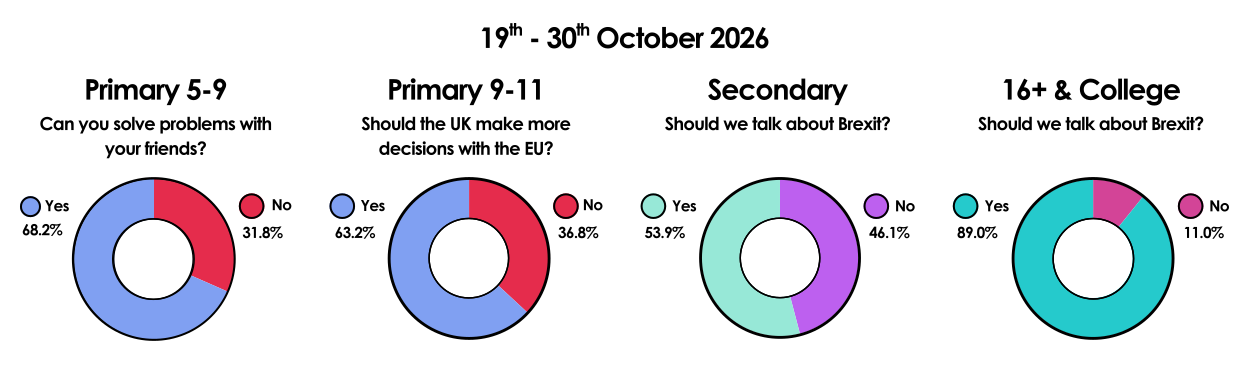
Primary (5-9): "Can you solve problems with your friends?"

Primary (9-11): "Should the UK make more decisions with the EU?"

Secondary (11-16), 16+ & College: "Should we talk about Brexit?"

43,343 young people voted on this topic with more participating in classroom discussions across the country.

Age 5-11 voter

I think we should make more decisions with the EU because we can put all our resources together to help and defend our countries.

Age 11-16 voter

Age 11-16 voter

Yes because the issues that Brexit was supposed to sort are persisting and the government needs to listen to its voters and maybe consider another referendum.

Age 11-16 voter

Age 11-16 voter

The past is the past. BREXIT has been done and we need to get on with it.
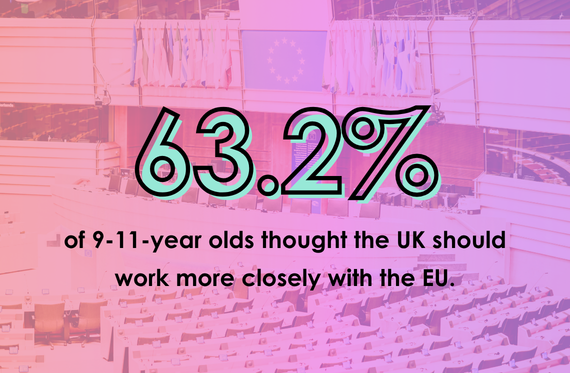
63.2% of 9-11-year olds thought the UK should work more closely with the EU.

  • 9-11-year olds were generally in favour of closer collaboration with the EU.
  • Being able share resources to aid with defence was the most commonly given reason.
  • Others argued for the economic benefit of closer working ties.
  • 'No' voters primarily argued that the decision to leave the EU had already been made and we should respect it and move on.
  • 5-9-year olds were generally confident at solving problems with friends, especially if they were "small" problems. Many said they could rely on adult support to help solve more difficult challenges.
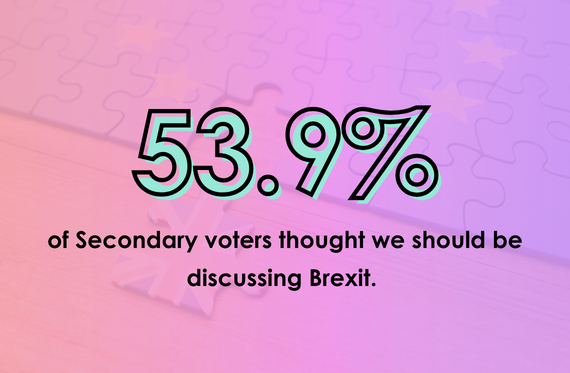
53.9% of Secondary voters thought we should be discussing Brexit.

  • Despite the slight 'Yes' majority, the most common view shared in discussion was that the UK should accept the Brexit decision and move on.
  • A few students made the case that Britain would be stronger in the EU with others arguing that the issues Brexit was supposed to fix still persist today.
  • A small minority called for rejoining the EU but others thought, if there wasn't going to be another referendum, further discussion of Brexit was pointless.
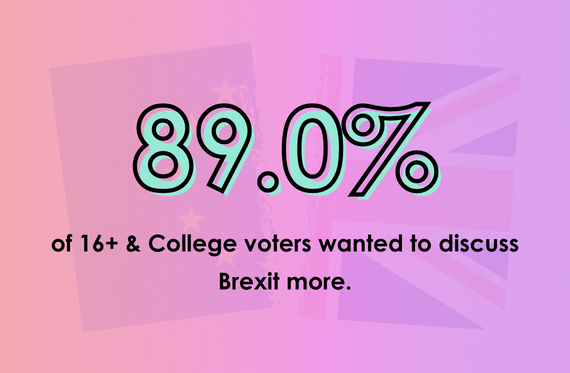
89% of 16+ & College voters wanted to discuss Brexit more.

  • 16+ voters were the most in favour of talking about Brexit.
  • Voters in this age range discussed the economic effect of Brexit, such as its potentailly exacerbating the cost of living crisis.
  • Teachers at Secondary and 16+ level noticed that many of their voter had little to no knowledge of Brexit, especially in younger age groups. Once it had been explained to them, many students thought it very important to discuss further.
results