


Develop active citizenship through real-life issues

Every week, VotesforSchools brings Citizenship to life through a new VoteTopic. Pupils explore current affairs and real-life issues, build their understanding of democracy and wider society, discuss different perspectives and vote on what they think.
With age-appropriate resources from KS1 onwards and clear curriculum mapping, VotesforSchools supports Citizenship across your school while helping you prepare for changes to the curriculum in England.

VotesforSchools is democracy in action. Every week, pupils discuss real-life issues affecting their lives, vote on what they think and, crucially, see that their views matter.
Week on week, pupils experience the importance of participation. Through discussing, voting and commenting, they see how collective action can contribute to conversations and decisions that affect their futures.
They also learn the value of talking about topical issues with people who hold different views. Pupils listen actively, challenge ideas respectfully, justify their opinions and remain open to different perspectives.
Through regular participation, pupils develop the knowledge, communication skills and confidence they need to contribute positively to their communities and wider society.
Following the Curriculum and Assessment Review, the Government has committed to introducing compulsory Citizenship at primary level and updating Citizenship across primary and secondary education.
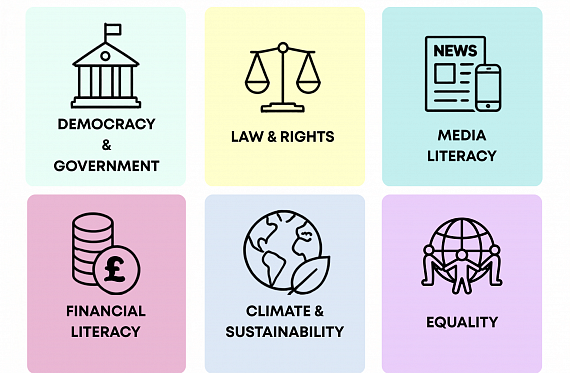
The planned changes strengthen areas including democracy and government, law and rights, media and financial literacy, climate and sustainability, equality and challenging discrimination.
These areas already feature regularly across VotesforSchools VoteTopics, giving pupils opportunities to explore them through current affairs and real-life issues while developing their critical-thinking and discussion skills.

Pupils explore ideas including right and wrong, rules, rights and responsibilities, fairness and respect.
Age-appropriate VoteTopics help them understand why rules exist, how decisions affect people and the importance of listening to and respecting others.

Pupils develop their understanding of democracy, rights and responsibilities, communities, the rule of law and how decisions are made.
Through real-life issues, they explore the people and institutions that shape society alongside the different ways citizens can participate, campaign and influence change.

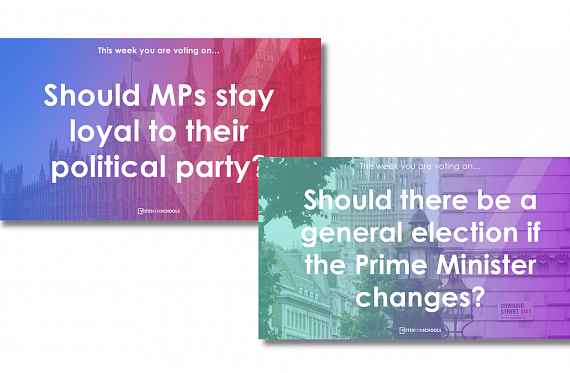
VoteTopics support the statutory Citizenship curriculum through regular opportunities to explore democracy, Government, Parliament, law, rights and responsibilities.
Pupils research and interrogate evidence, evaluate different viewpoints, make reasoned arguments and consider how citizens can take informed action.
Citizenship gives pupils opportunities to understand society while developing the skills to participate in it.
Through weekly VoteTopics, pupils learn to:
Current affairs also give pupils regular opportunities to develop media literacy by considering how information is presented and how news, social media and emerging technologies can influence public opinion.
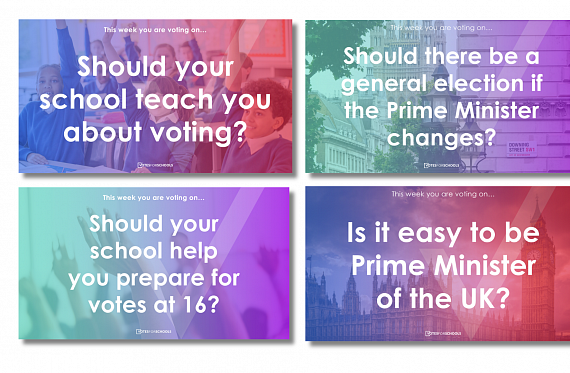
Political knowledge becomes easier to understand when pupils can connect it to real-life issues.
A VoteTopic about climate change might explore Government policy and campaigning. A discussion about public spending can introduce how decisions are made about money. A story about social media might raise questions about regulation, rights and freedom of expression.
Because a new VoteTopic is published every week, pupils repeatedly apply their Citizenship knowledge to new situations, while also exploring global democracy, human rights and issues affecting communities around the world.
Weekly VoteTopics help pupils understand how society works, explore the real-life issues shaping society and recognise the role their own voice can play.
From early conversations about fairness and community to informed discussions about democracy, Government and global issues, VotesforSchools gives pupils regular opportunities to develop and practise active citizenship.
Start your free 14-day trial