


Build Personal Development on purpose
One weekly routine. A lifetime of confidence, empathy and critical thinking.

At its best, Personal Development is woven into the culture of a school. It grows through everyday conversations, meaningful routines, respectful relationships and regular opportunities for pupils to think, speak, listen and participate.
VotesforSchools gives schools a structured weekly way to develop the whole person - from Reception through to Sixth Form, with resources most widely used in Secondary Tutor Time.
Through age-appropriate weekly discussions and votes, pupils explore real-world issues, consider different viewpoints, form their own opinions and learn how to take part in respectful democratic discussion.
Start your free trial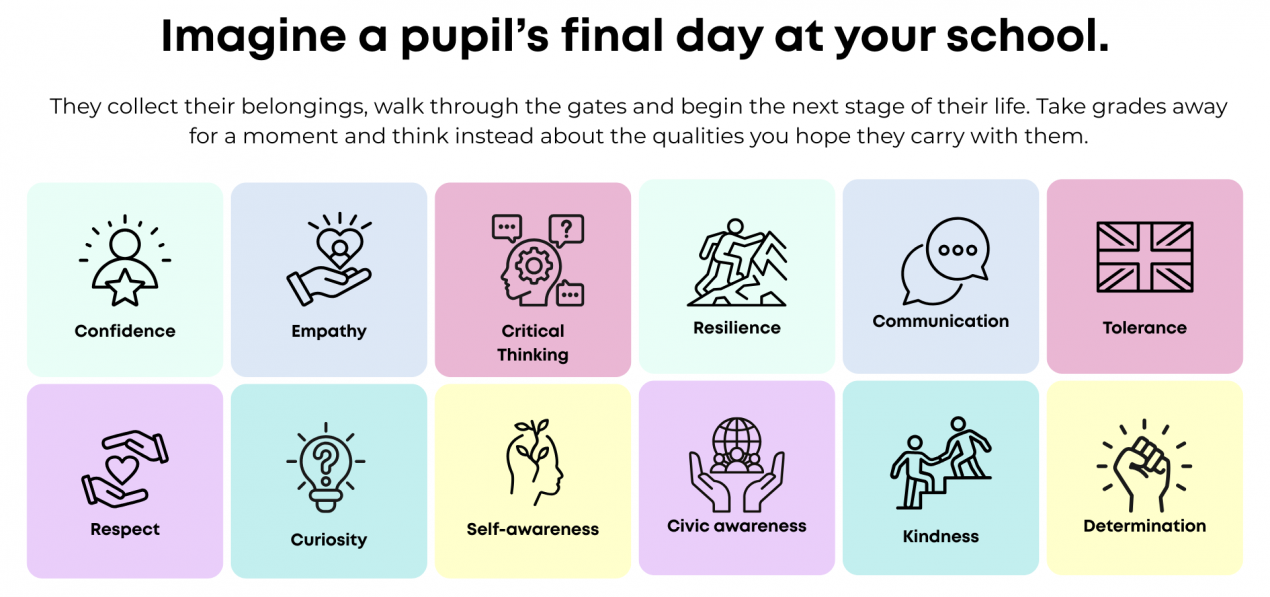
These qualities do not appear on an exam certificate, but they shape how young people move through the world. The challenge for schools is making sure they are developed deliberately, rather than left to chance.
Personal Development does not belong to one department, and every school supports it in some way. The question is whether it's happening consistently, with intention, and with something to show for it. VotesforSchools helps schools build a repeatable, whole-school routine that develops key Personal Development outcomes over time. Each week, pupils explore a genuine real-world issue, hear different viewpoints, discuss the topic with others, form their own opinion and vote to show where they stand.
It's simple to deliver and requires no preparation from staff. In Secondary schools it slots naturally into Tutor Time; in Primary it fits assemblies, circle time or PSHE. Either way, it gives pupils regular practice in the qualities schools want to see grow - and gives staff a running record of how that practice develops over the year.

Every week, pupils are encouraged to express an opinion in an environment where there is not one "correct" answer. That matters, because it gives more pupils permission to take part, practise articulating their thoughts and build confidence without worrying that they are getting it wrong.
Over time, this repeated practice helps pupils become more confident speaking about and explaining their thinking in front of others, as well as listening.
Outcome for schools: more pupils willing to contribute, explain their thinking and use their voice with confidence.
More on Oracy
VotesforSchools topics are built around questions with more than one possible answer, which means pupils have to do more than recall information. They learn to weigh up arguments, evaluate evidence, spot assumptions and make reasoned decisions.
Rather than being told what to think, they practise how to think.
Outcome for schools: pupils become better at reasoning, questioning, explaining and making informed judgements.
Heolddu Comprehensive School
Keystone Academy

Personal Development depends on pupils learning to understand experiences beyond their own. VotesforSchools gives pupils regular opportunities to explore different viewpoints, listen to the reasoning behind them, and reflect on how other people may experience the world.
This does not happen through one-off exposure to "difference". It happens through repeated, structured conversations where pupils are asked to pause, listen and think again.
Outcome for schools: pupils become more open-minded, thoughtful and able to engage with difference constructively.

Learning how to disagree well takes practice. Through weekly discussion, pupils get used to hearing opposing views, responding respectfully, changing their mind, and staying engaged when conversations feel challenging.
Over time, respectful disagreement becomes less of a classroom rule and more of a habit.
Outcome for schools: stronger discussion culture, better listening and more constructive disagreement.
Meadow Bridge School
Countesthorpe Academy
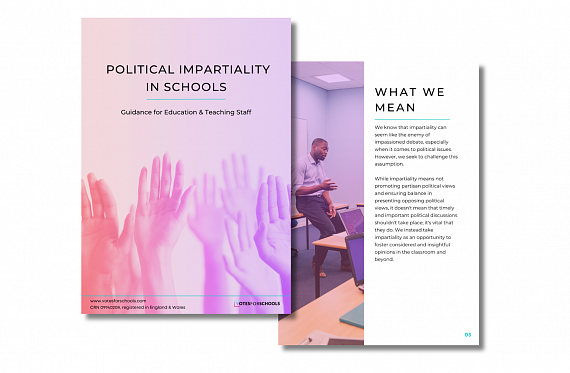
Every weekly lesson is written to present multiple sides of an issue fairly, in line with schools' duty to remain politically impartial, and is age-appropriate by design for the pupils using it. Because the routine runs every week, it also does something a one-off assembly or drop-down day can't: it builds a visible, ongoing record of pupil voice and engagement that PSHE Leads and SLT can draw on for self-evaluation and inspection evidence, rather than having to reconstruct it after the fact.
Personal Development also sits alongside statutory duties like Prevent - VotesforSchools' weekly discussion of real-world issues gives pupils regular, low-stakes practice in exactly the critical thinking and resilience to extreme viewpoints that Prevent asks schools to build.
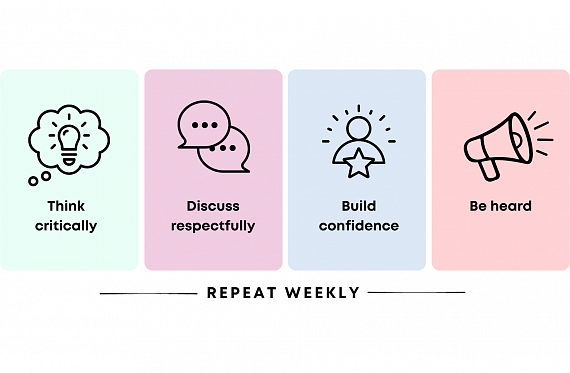
VotesforSchools brings together the strands of Personal Development that schools are already working hard to deliver, alongside PSHE/RSE, SMSC, British Values and oracy - each covered in more depth on their own pages. Each weekly VoteTopic gives pupils opportunities to think critically, discuss respectfully, build confidence and have their voice heard, while also supporting that wider provision.
Outcome for schools: stronger discussion culture, better listening and more constructive disagreement.
| Oracy | Pupils practise speaking, listening, reasoning and respectful discussion. | ||
| PSHE/RSE | Topics support real-life conversations around wellbeing, relationships, safety, identity, online life and decision-making. | ||
| SMSC | Pupils reflect on spiritual, moral, social and cultural questions through structured discussion. | ||
| British Values | Weekly voting and debate help pupils engage with democracy, mutual respect, individual liberty and the rule of law. | ||
| Prevent | Balanced resources support critical thinking around complex and sensitive issues. | ||
| Protected characteristics | Inclusive topics help pupils explore identity, equality and representation respectfully. | ||
| Careers and future readiness | Discussions connect pupils’ values, skills and choices to life beyond school. |
Every VoteTopic is written to present multiple sides of an issue fairly, in line with schools' duty to remain politically impartial, and is age-appropriate by design. Because the routine runs every week, it also builds a visible, ongoing record of pupil voice and engagement - something PSHE Leads and SLT can draw on directly for self-evaluation and inspection evidence, rather than reconstructing it after the fact

Schools

Pupils

Votes
If a parent, governor or inspector asked, “How does your school deliberately develop pupils’ character, confidence and ability to participate in society?”, how confidently could you answer?
VotesforSchools helps you answer that question with clarity. Not through a one-off event or a folder of evidence, but through a consistent weekly routine that pupils recognise, staff can deliver, and leaders can point to as part of a whole-school approach.
Subscribe today