


We want young people to feel safe, but we also want them to know what to do when things go wrong. So how do we strike the right balance?
Fire drills are a fairly normal part of school life. Pupils know the alarm, where to line up and which adult to listen to. We don't teach them these things because we expect a fire every Tuesday afternoon. We teach them because knowing what to do is better than having to figure it out in the moment.
But what about emergencies beyond the school gates? Flooding, power cuts, severe storms and other unexpected events aren't quite so easy to practise for. And with frightening stories appearing regularly in the news, it's understandable that teachers and parents might wonder how much young people really need to know.
We want to protect young people from unnecessary worry, not fill their lives with fears about everything that could possibly go wrong. But could talking about emergencies actually help them feel safer?
Why are we talking about emergency preparedness now?
The UK Government's "Be Ready" campaign encourages households to take simple steps to prepare for emergencies, particularly situations where everyday services such as electricity, water or communications might be disrupted. It's a practical message, but the idea of preparing for an emergency can still sound a little alarming.
There's also a wider reason these conversations feel relevant. Climate change is increasing the likelihood or intensity of some extreme weather events, including heatwaves and heavy rainfall. That doesn't mean every type of disaster is becoming more common, or that an emergency is around the corner, but it does make understanding risk and preparedness increasingly important.
Of course, young people don't need to know every possible risk facing the country. But they may already be hearing about emergencies through the news, social media or conversations at home. Giving them an opportunity to ask questions and understand what's happening can be more reassuring than leaving them to fill in the gaps themselves.
Being prepared doesn't mean expecting the worst
There's a difference between teaching young people what to do in an emergency and making them feel as though an emergency is inevitable. That distinction should shape how we approach the conversation.
Rather than beginning with everything that could go wrong, we can focus on familiar situations and manageable actions. What might happen during a power cut? Who could someone ask for help if they were worried? Why is it important to listen to instructions during a fire drill?
These questions make preparedness feel less like a warning and more like a useful life skill. We already teach young people road safety, first aid and what to do if they get lost. Emergency preparedness can sit alongside those conversations without becoming something frightening.
Of course, being prepared isn't equally straightforward for everyone. In October 2026, YouGov found that 39% of Britons would find it difficult to make space at home for emergency supplies, with respondents also raising concerns about the cost of stocking up. For families already juggling financial pressures, housing difficulties or unpredictable day-to-day circumstances, preparing for another emergency might be the last thing on their minds. Some young people may already have plenty to worry about without feeling that their household should be doing more.
It's worth remembering this when discussing preparedness in the classroom. The aim should be to help pupils understand what can be done, not leave them feeling that their family is unprepared or that keeping everyone safe is their responsibility.
How can teachers talk about emergencies without causing unnecessary worry?
Start with what pupils already know. Fire drills, severe weather warnings and unexpected school closures are familiar starting points. They allow pupils to think about preparedness without immediately introducing the most frightening possibilities.
Keep the conversation practical. Focus on simple, age-appropriate actions rather than lengthy lists of risks. For younger pupils, that might mean identifying trusted adults and knowing how to follow instructions. Older pupils can consider how to find reliable information and what households might need during a temporary disruption.
Remove the 'you' where possible. Asking pupils whether their family has an emergency kit, enough food stored away or a plan for a power cut can put them in an uncomfortable position. It can also turn a useful discussion into an unintentional comparison of home circumstances. Instead, use fictional households or general scenarios: 'What might a family need during a power cut?' rather than 'What does your family have at home?' This allows everyone to take part without feeling pressured to disclose personal information.
Make space for different reactions. Some pupils will find the topic interesting, while others may feel anxious, particularly if they've experienced an emergency themselves. Avoid asking pupils to share personal experiences, and give them opportunities to raise questions privately.
The British Red Cross offers guidance for teachers supporting young people who have heard about major emergencies in the news. Its resources emphasise listening to pupils, acknowledging their feelings and helping them recognise where they can find support. Perhaps most importantly, teachers don't need to have an answer for every possible scenario. It's OK to acknowledge uncertainty while reassuring pupils that there are people, services and plans in place to help when emergencies happen.
Prepared, not frightened
We can't protect young people from every difficult event or frightening headline, and we shouldn't expect them to navigate those things alone. What we can do is help them understand that unexpected situations happen, that there are sensible ways to prepare and that support is available when things go wrong.
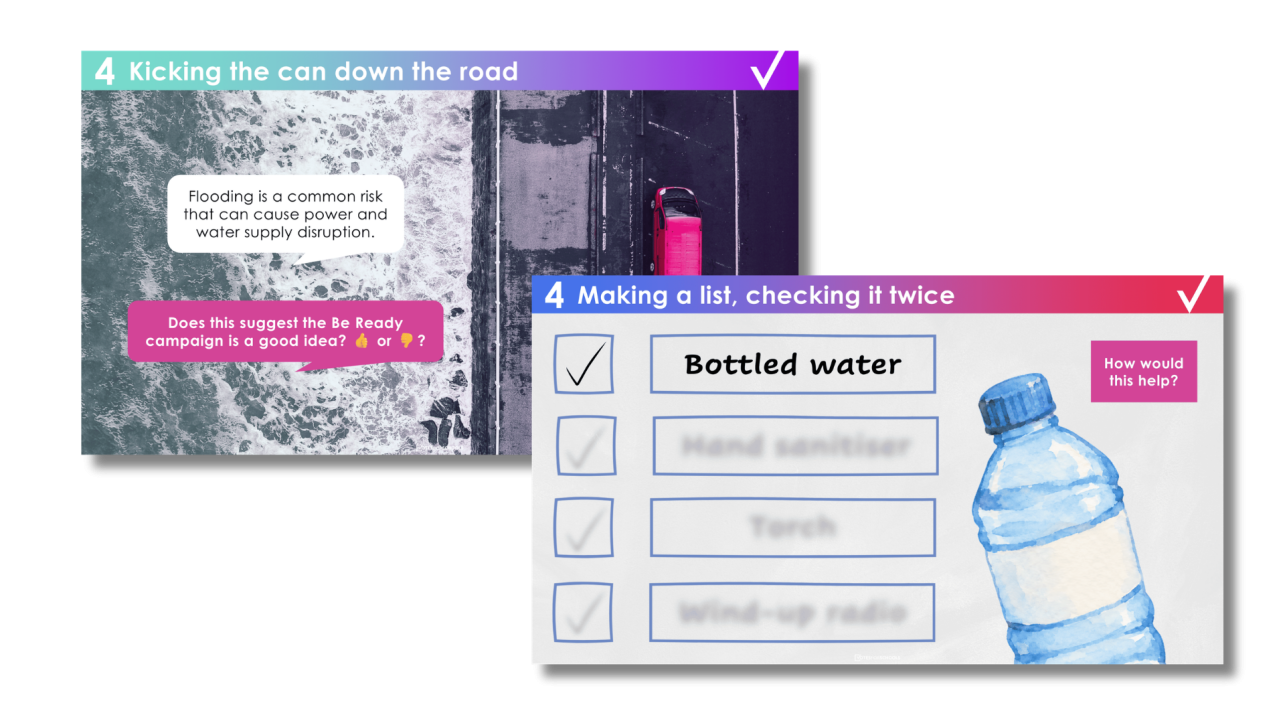
That's where our lessons come in. From Key Stage 2 onwards, we have asked them to consider the "Be Ready" campaign's checklist, and the reasons why people may be in favour of the initiative or against it. This gives them the time and space to reflect on the plans and the circumstances in which it may come in useful.
A fire drill doesn't mean we expect a fire. In much the same way, talking about emergency preparedness doesn't mean teaching young people to expect disaster. It means helping them feel a little more confident about what to do if the unexpected happens.