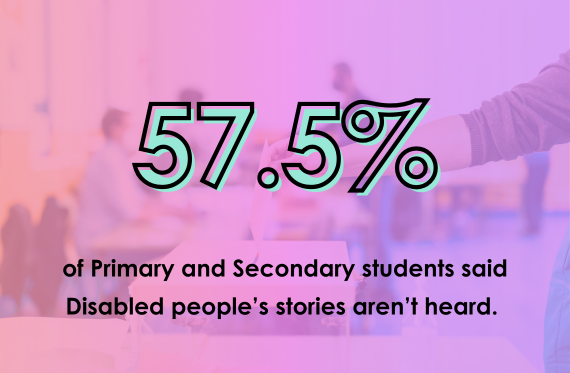
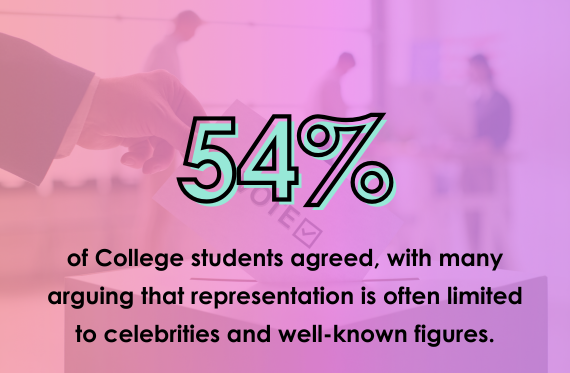
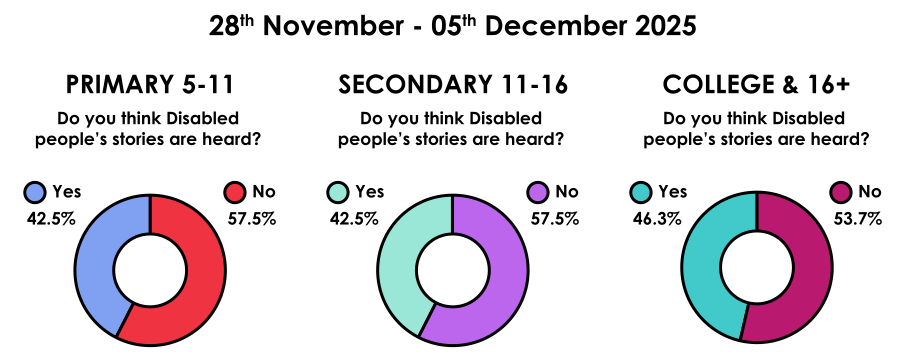
Do you think disabled people’s stories are heard?
28th November - 05th December 2025
Back to results
Total votes
5-11 votes
11-16+ votes
To mark International Day of Persons with Disabilities (IDPD), young people discussed the importance of representation and listening to the experiences of Disabled people. The lessons explored examples of representation in popular culture, such as the role of Nessarose in Wicked and the actor who plays her, Marissa Bode. While her character is a wheelchair user, Bode is the first Disabled actor to be cast in the role since the stage show launched in 2003. Students learned about the importance of informed representation, particularly through the use of Disabled People’s Organisations, before debating whether Disabled people’s stories are visible, well-told and prominent enough. Thank you to Disability Rights UK for their input with this topic’s lessons.
All ages discussed the question, “Do you think disabled people’s stories are heard?”
53,756 young people voted on this topic.
I don't think all Disabled people's stories are heard, only celebrities or popular people's stories are heard, whereas children should have the chance to speak out to the world.
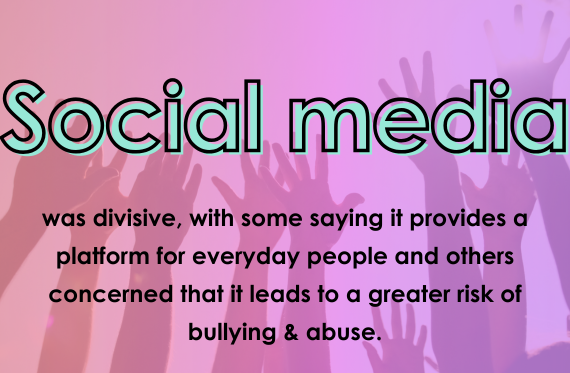
Social media helps Disabled people to have more of a voice, but it also opens the door to potential bullying online.
Their stories are not heard enough. We need to hear from them not other people telling their stories.
Thank you to Bethany Bale, Policy & Campaigns Officer from Disability Rights UK for responding to young people's voices on this VoteTopic!