


Most of what KCSIE asks you to know about happens somewhere you can't see

A weekly, whole-school habit gives every pupil a low-stakes way to flag what's actually going on, and gives you real-time data you can act on before it becomes an incident. See exactly how our five-part approach maps to your statutory responsibilities with our KCSIE guidance.
Download our KCSIE guidance
Every pupil gets a weekly, structured chance to say what they think about a real, often sensitive issue, in their own words, not just the pupils confident enough to raise a hand. The votes and comments that come back are a live read on what your student body is actually thinking, and schools use that read to catch safeguarding concerns straight out of a classroom discussion, before they become something bigger.
School Data & Reporting
Weekly topics go where your pupils' real risks are: knife crime, nicotine pouches, county lines, incel culture. Every resource is fully editable, so staff can localise the conversation to what's actually happening in your community rather than a generic version of the issue. Results are shared with organisations working on exactly these problems, including Birmingham City Council, the London Tobacco Alliance and the Metropolitan Police.
Where the results go
Lessons keep pace with whatever the actual risk is this term, rather than a curriculum written two years ago and left to go stale. Lessons cover everything from scams to online anonymity to AI-generated deepfakes
Since February 2026, government guidance says schools should be phone-free by default, and a new duty under the Children's Wellbeing and Schools Act 2026 means schools must have policies in place. Ofsted already inspects against it. VotesforSchools has never needed a personal device to run - staff can cast votes on pupils' behalves - so a phone-free classroom doesn't cost you an engaging, real-time curriculum.
Try a resource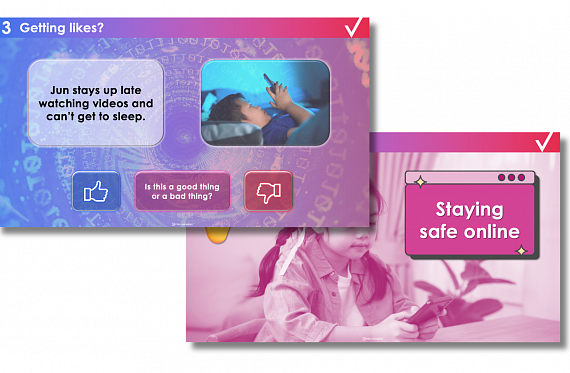
Weekly topics cover online networks, healthy relationships, mental health and exploitation on purpose, not as a single PSHE unit once a year. Regular, low-stakes exposure is what actually builds the confidence to speak up. Every resource is fact-checked and non-judgemental, built to help pupils question what they see rather than just consume it.
Prevent Duty & VotesforSchools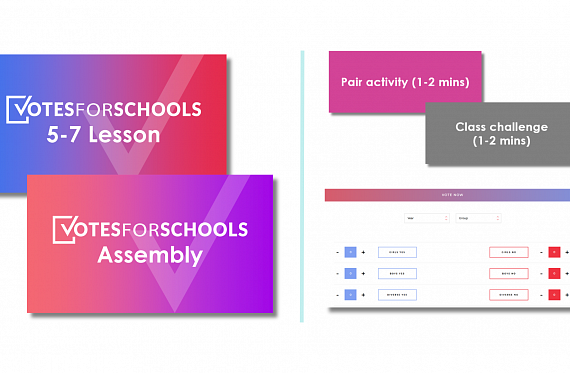
Every lesson arrives zero-prep and fully researched, so any member of staff, whatever their background, can lead a confident discussion without a week of reading beforehand first. For a lot of schools it's also become the natural opening for a wider staff conversation: how to spot risk, how to respond to a disclosure and how to keep safeguarding practice current without another twilight INSET.
How the resources help youOfsted, St Chad's School, South Norwood
Headteacher, Caldmore Primary Academy
You can trial the entire resource library and voting system at your own pace with our two-week free trial. Alternatively, you can book a chat with one of our team to see the platform in action and ask any questions you may have.
Start trial