


Results & Impact
Each week hundreds of thousands of young people vote on our latest lesson. Here's what they say, and how their voices are changing the world.

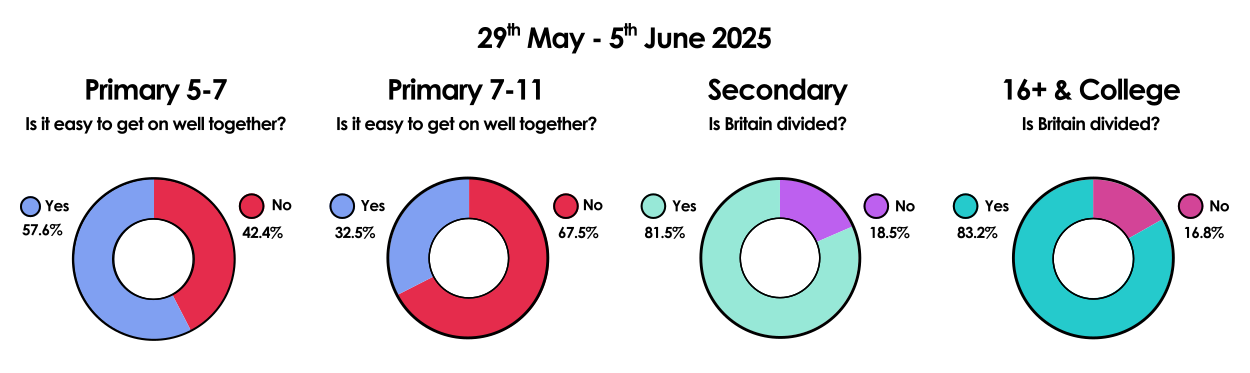
5th - 12th June 2026
The National Conversation launched in May. Led by the Independent Commission for Community and Cohesion, this nationwide “listening exercise” aims to better understand what people value about their community life and what they might like it to look like in the future. With the minimum age to participate set at 16, we are delighted to partner with the National Conversation by putting one of their questions to our voters. This VoteTopic’s data will then contribute to their national findings. Flags and riots dominate the headlines; political and media narratives would have us believe that, as a country, we are more divided than ever. Do young people agree?

total votes

voters aged 5-11

voters aged 11-16+
You can see how our voting is impacting the world on our impact page:
Our Impact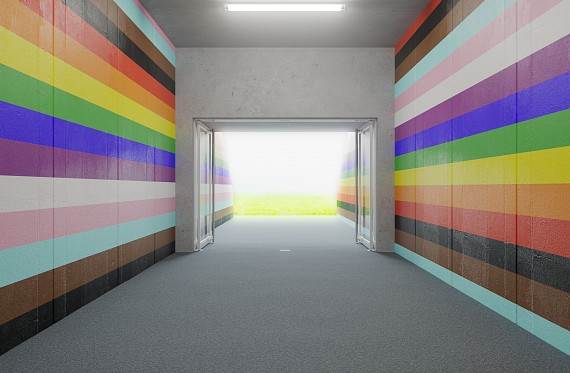
29th May - 5th June 2026
June marks the start of Pride month and the Fifa Men’s World Cup. The 2022 tournament sparked debate around LGBT+ rights in host nation, Qatar, and this year has also seen some LGBT+ fan groups boycotting due to rollbacks of rights in host nations: the USA, Canada, and Mexico. Pride gives a valuable opportunity to celebrate the LGBT+ community and a chance to reflect on their history and the rights they have fought hard to win. A 2023 YouGov poll found that over three quarters of Britons supported same-sex marriage and 77% said that Britain was a tolerant country for gay and lesbian people. However, in ILGA-Europe’s Rainbow Map index of LGBT+ rights, the UK has dropped from 1st place in 2015 to to 22nd place in 2026. Often thought of as the most progressive demographic, we wanted to know how young people saw the state of LGBT+ rights in the UK.
43,015 young people in the UK took part in this vote.
find out more
15th - 22th May 2026
Knife Crime Awareness week, running from 18th-24th May, aimed to shine a light on the important work being done to reduce knife crime in Britain and to start conversations about what else can be done to halt this devastating issue. April saw the launch of the Government’s “Protecting Lives, Building Hope” plan, which aims to halve knife crime in the UK by 2036. Based around four pillars of Support, Stop, Police, and End, the plan seeks to tackle the root causes of the issue, as well as improving the response of the criminal justice system. As the demographic most likely to be directly affected by knife crime, we wanted to know how young people viewed themselves and the role they could play when it comes to stemming the tide of knife violence on our streets.
45,645 young people voted on this topic, with more engaging in discussions in their classrooms across the country.
see results
8th - 15th May 2026
Tests and examinations are frequently identified as one of the major stressors in the lives of children and young people. According to Young Minds’ “Missing the Mark” report, 63% of 15-18-year-olds said they struggled to cope in the lead up to and during GCSE and A Level exams and 35% of KS2 students said that SATs made them feel ill. Advocates of standardised tests argue that they are the only truly fair assessment method, avoiding the issue of teacher bias. However, critics say that they take a significant mental toll on young people, one that outweighs the educational benefit. To mark this year’s Mental Health Awareness week, running from 11-17th May, we wanted to find out how young people felt about tests in their own words. Do they see them as an educational tool, a necessary evil, an emotional burden, or as something else entirely? 53,623 young poeple voted on this topic, with many more participating in discussions.
see results